

本站推荐电影
-
·网友测试微软 Win10/Win11 压缩系统文件功能:比例 1.8:1,性能影响约 1%
·福建省人工智能创新发展交流活动在榕举办 四项产业合作计划启动
·小鹏汽车智驾模式下闯红灯,车主被扣6分,官方回应:会对相应场景进行持续优化,驾驶员永远是智能辅助驾驶第一责任人
·UN Security Council to Vote on 6-Month Extension of Cross-Border Humanitarian Aid to Syria’s Idlib
·2025年内发布 基于PPE平台打造 保时捷纯电Cayenne低伪装谍照曝光
·120-kilo man admitted to ICU after following AI-generated weight loss plan
·从“好设计”看“好房子”建设的北京创新实践
·机器人100米预赛小组垫底,宇树科技回应:精力主要在量产产品上,没能顾全赛事准备
·时隔5个月,电池级碳酸锂冲上50万元/吨!机构预计9月供需缺口达6000吨,业绩翻倍股名单来了_产能_数据
·お嬢様大卒の二世タレント「徹子の部屋」で黒柳とまさかの“色かぶり” 衣装の色に配慮できず「反省」
·沃尔玛入华三十年:扎根中国,共建美好
·普京任命莫尔古洛夫为俄罗斯驻华大使
·Hot online trends fuel new wave of inbound tourism
·【萌娃赶大集,欢乐迎新年】西安市鄠邑区玉立芳华幼儿园迎新年亲子游园会
·俄罗斯外长拉夫罗夫将率代表团前往纽约参加联合国大会
本站推荐电视剧
-
·入口的东西,食品安全是底线
·带回家持刀威胁女友索性非礼 涉毒青年被判监打鞭
·时隔12年进亚洲杯决赛!中国U18男篮5战狂赢165分
·六台:小蜘蛛身体不适未参加训练,罗梅罗、卢克曼进行单独训练
·生成式官网Hantu AI-Gen CMS为企业应用方向重构
·618从6月17日20:00开始持续至6月18日24:00的28小时内买手机最便宜
·限量29台的神秘车型 兰博基尼Fenomeno将于8月圆石滩车展发布
·手机家电国补申领指南|8月购买空调电脑手机如何参与国补?京东学生认证流程及补贴领取方法
·“免费添加明星微信”?警惕未成年人落入追星骗局
·【收评】纸浆日内下跌1.16%机构称纸浆终端需求未见明显提振,呈区间震荡走势
·上海月租50元1平米房为摆拍造假 “自媒体”无底线博流量该管管了
·郑州银行:申学清辞去行长职务,拟聘任赵飞为行长_公告_河南
·प्लेन में मिडिल सीट को लेकर सोशल मीडिया पर विवाद, दो बहनों की हरकत से खड़ा हो गया था बखेड़ा; जानिए मामला
·NZ's new plan to protect Hector's dolphins
·纵横谈|身子沉下去,问题“捞”上来
电影下载排行
-
·「SSDが買えない」悪夢続行? 2026年のストレージ市場を揺るがす5つの“激震”
·Will Bibi be Back? Netanyahu Braces for 'Aggressive Campaign' as Israeli Government Collapses
·वाराणसी में नाबालिग मां को चंद घंटे में अस्पताल से लौटाने की जांच करेगी चार सदस्यीय टीम, पुलिस ने बढ़ाई सुरक्षा
·老铺黄金:上半年收入198.1亿元,同比增长60.3%
·凌晨1点特朗普发飙了,美国向加拿大提出13条
·南海腹地核心水域,中国多了一座站!中沙大环礁,比新加坡大11倍,经史如诏,原创 南海腹地核心水域,中国多了一座站!中沙大环礁,比新加坡大11倍
·Jimmy Buffett's cause of death revealed
·河北辛集:文明七夕树新风 公益红娘助良缘
·临时工作求职者翻一倍 预计能填补未来人手空缺
·亚马逊首席执行官贝佐斯决定与妻子离婚。
·当不成总统了?美对75国施压或失败,特朗普承认:可能会被迫下台,千羽解读,原创 当不成总统了?美对75国施压或失败,特朗普承认:可能会被迫下台
·Ordinary Life Resumes in Sierra Leone After Violent Protests: What Happened and Why?
·政声直达丨专科批第三次征集志愿49881个计划
·合法上路的勒芒赛车!仅1台 保时捷963 RSP预告 预计6月14日首发
·「全色ほしいくらい重宝します」ユニクロの“レビュー絶賛カーディガン”1年中着回せて2990円はコスパ良い!「何色も揃えてます」「春夏秋冬ずっと着てました」
电视剧下载排行
-
·风光股份:获批设立国家级博士后科研工作站
·本周国内豆粕现货价格下跌
·一个月两次出手!京东再度驰援广西 无需汇报直接开仓救灾
·中甲第一阶段战罢 昆山、南通支云为何能“齐头并进”
·日本妈妈劝儿子别怕死,笑中国母亲软弱,原子弹落下那天在想什么,叶苍茫2022,原创 日本妈妈劝儿子别怕死,笑中国母亲软弱,原子弹落下那天在想什么
·5位転落、韓国でも再燃…カーリング女子“選考問題”「野球やサッカーのようにベストメンバーを選ぶべき?」韓国が報じた“2勝7敗”フォルティウスへの見解
·AI帮填表 语音办执照
·泡泡玛特业绩出炉,段永平回怼网友恶评:该吃药了吧?
·《郡县联播》:安全生产治本攻坚三年行动共排查重大隐患8.1万项
·球员引力榜格林第四!为何仍说他是火箭G1溃败罪魁?
·猛龙主帅:少了乔丹禅师也不会成就其伟大 斯科巴就是我的乔丹
·鸿蒙智行累计上线华为超充站1000座
·江西宜春纪委回溯调查:3名公职人员酒驾牵出3场酒局_上高县_黄小云
·太行山“背篓哥”:36年无偿跑腿 只为那一份托付
·深圳瑞捷:半导体洁净室业务尚处市场拓展期,收入占比较低
全家福
-
发布时间:2026-08-26
神雕侠侣
NZ's new plan to protect Hector's dolphins_我的网站

一 |
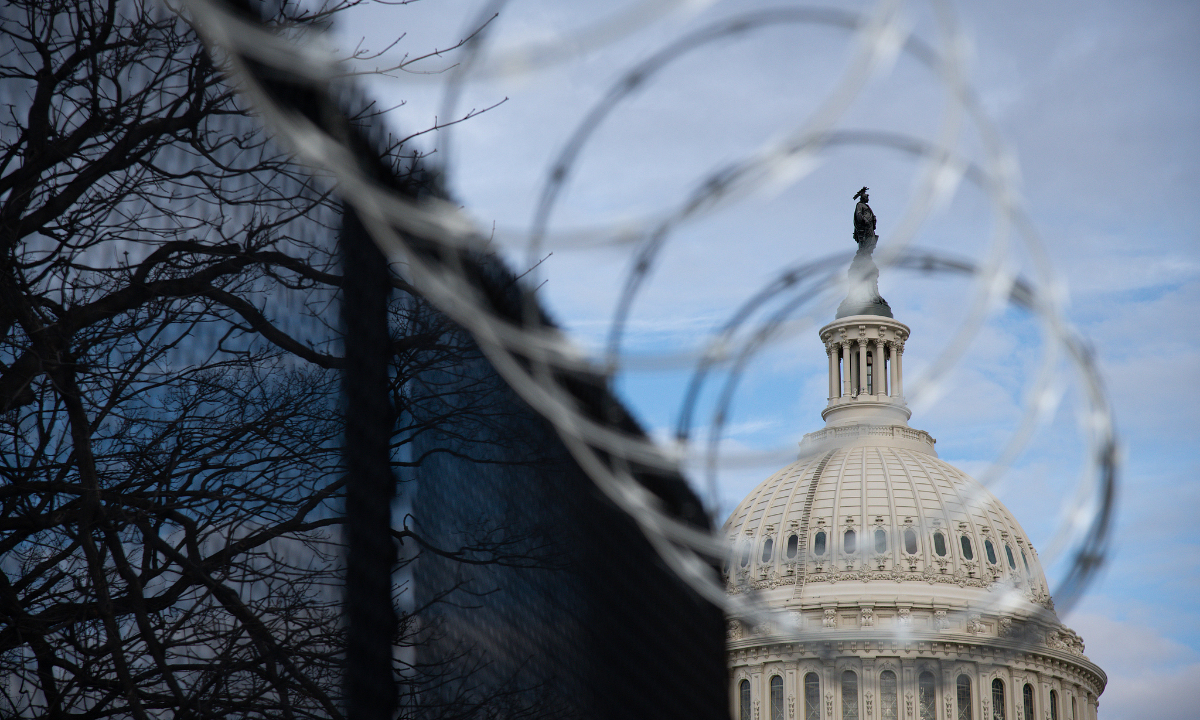
The US Senate on Friday overwhelmingly approved a bill that would impose sanctions on buyers of Russian oil, a measure that had long been championed by the late senator Lindsey Graham before his death last month, CNBC reported. A Chinese expert criticized the legislation, warning that if implemented, the bill, driven largely by political motives aimed at catering to US domestic political correctness, could severely disrupt the already fragile global energy market and economy. He also noted that the bill is essentially a tool of political coercion, weaponizing tariffs and unilateral sanctions to hijack normal global energy trade and override sovereign economic choices of independent nations.
The legislation, named The Lindsey O. Graham Sanctioning Russia and Iran Act of 2026, aims to hurt Russia's war effort in Ukraine by penalizing purchasers of Russian oil and Russian leaders. It passed with bipartisan support 86-11 and will now proceed to the House, which is on recess until September, per CNBC.
The bill would impose tariffs of up to 100 percent on countries that are among the top five purchasers of Russian crude oil or gas, which includes China and India.
It also includes sanctions targeting Russian leaders, officials, targeting Russian leaders, oligarchs and financial institutions. At the request of US President Donald Trump, the bill extends sanctions on Iran's weapons and energy sectors, CNBC reported.
Notably, the bill's excessive tariff discretion has sparked fierce internal doubts within US political circles. Representatives Gregory Meeks of New York and Don Beyer of Virginia said in a statement they still had "fundamental concerns" about the tariff powers for the president, who has made them a central piece of his "America First" approach to foreign policy.
"What the bill does grant ... are sweeping new tariff authorities that the president could weaponize with abandon, as he has repeatedly done in the past," said Meeks, the top Democrat on the House Foreign Affairs Committee, and Beyer, the senior Democrat on the Joint Economic Committee, according to Reuters.
Chinese experts have strongly criticized the bill's politically driven nature, its economic coercion, and its severe spillover risks to the global economy.
The bill, aimed at putting pressure on Russia, would disrupt global energy markets and create new uncertainties for the world economy if implemented, Yang Jin, associate research fellow at the Institute of Russian, Eastern European and Central Asian Studies under the Chinese Academy of Social Sciences, told the Global Times.
Many economies retain legitimate, market-based energy cooperation with Russia out of practical economic and energy security needs. Russia's energy exports have long been a key component of the global energy system, with countries including India and some European nations continuing to rely on Russian oil and gas, said Yang, noting that even some European countries have received exemptions to maintain energy imports from Russia, underscoring the role of Russian supplies in supporting economic stability.
India's reliance on Russian crude increased further after the conflict in West Asia disrupted shipping through the Strait of Hormuz. With Gulf supplies affected during the US war on Iran, Indian refiners turned more heavily towards Russian oil as an alternative source, Indian media Hindustan Times reported on Saturday after US Senate passed the bill.
When asked about the bill on July 15, Lin Jian, spokesperson from China's Ministry of Foreign Affairs said that China firmly opposes unilateral sanctions that have no basis in international law or authorization of the UN Security Council, and will take necessary measures to firmly defend the legitimate rights and interests of Chinese businesses and citizens.
Practicing double standards and resorting to coercion and pressuring will eventually prove to be self-defeating, said Lin.
Yang further pointed out that the push for the bill, labeled after Lindsey Graham, who was known as one of the toughest Russia hawks in Washington, lays bare Washington's distorted domestic political logic.
The legislation, which represents another typical case of US hegemonic long-arm jurisdiction, is largely designed to ease US domestic governance pressure. As the Trump administration fails to deliver substantive progress in de-escalating the Russia-Ukraine conflict as promised, ramping up external sanctions and forcing third-party sovereign countries into abandoning normal economic and trade cooperation has become a convenient political tool for US politicians to showcase tough posturing and ease domestic pressure, Yang said.
。 Wellington, Oct 12 (UNI) New Zealand will implement new measures to protect its 15,000 or so Hector's dolphins from impacts of fishing on South Island.
"We need to work to reduce the number of these dolphins killed by fishing to as close to zero as possible," Oceans and Fisheries Minister David Parker said on Wednesday.
Hector's dolphins, mostly found around the coast of New Zealand's South Island, are one of the world's smallest dolphins. Their bodies are grey with black and white markings. They have a distinctive rounded dorsal fin that looks like one of Mickey Mouse's ears.
The suite of measures already in force includes an extension of the commercial and recreational set net closures around the Banks Peninsula. The government now wants to end the accidental catch of Hector's dolphins, he said.
It will be aided by the introduction of new tech like onboard cameras, real-time catch reporting and monitoring of commercial vessel location allowing the authorities to better protect these dolphins, Parker said.
UNI/XINHUA ING。
Current article:http://5snbknq.sunaichitikouchua.bond/k5hh/20260826/4286240.html
Published on:14:25:01
下载地址2:点击进入迅雷高速下载 温馨提示:邀请好友一起下,可提高下载速度,若遇无法下载,可另选时间尝试或重装软件!
下载方法:安装软件后,点击即可下载,谢谢大家支持,欢迎每天来!